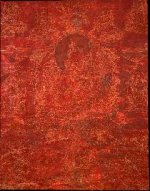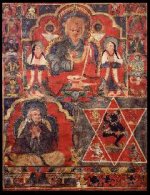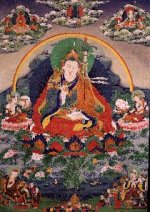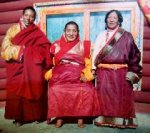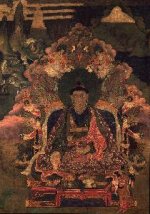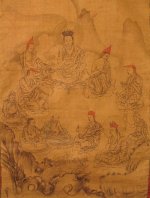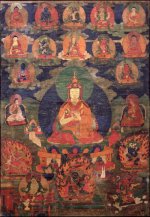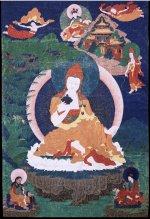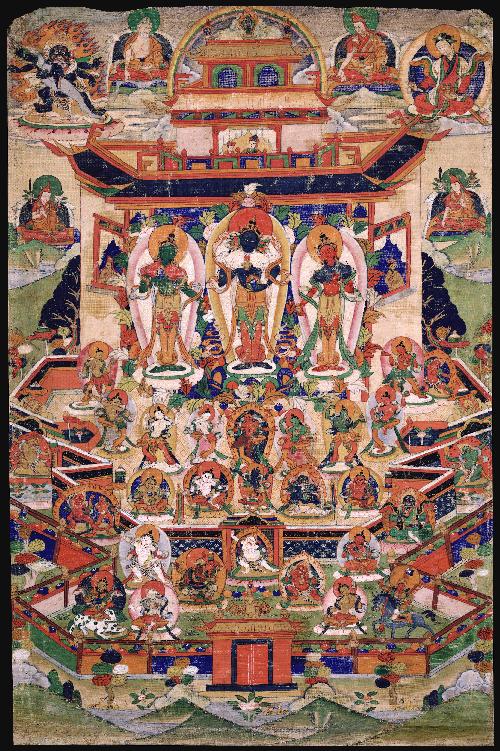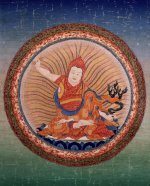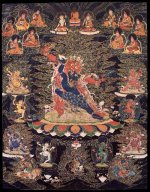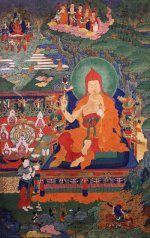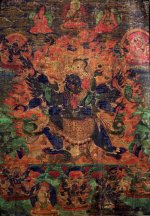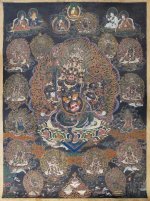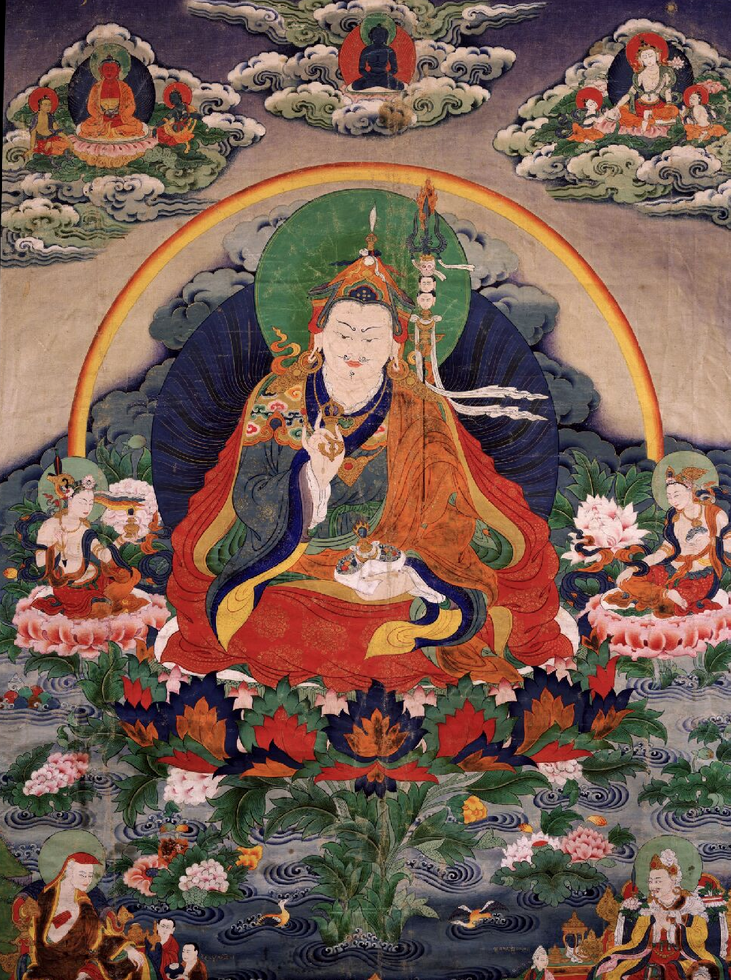
The Nyingma (rnying ma) - literally the "ancient" - is considered the oldest tradition of Tibetan Buddhism, although when the disparate institutions and strands of transmission were first conceived as belonging to a singular and coherent entity is not clear. According to legend, the Nyingma teachings were brought to Tibet in the eighth century by Padmasambhava, a tantric ritual specialist invited to Tibet to subjugate native deities that were obstructing the dissemination of Buddhism. Padmasambhava and other Indian masters such as Vimalamitra, and select Tibetan translators such as Vairocana, propagated the tradition's primary teaching, Dzogchen, a tantric system that has also been adopted to varying degree by other traditions. The Indic scriptures that were translated in the eighth and ninth centuries and the teachings by the masters of that era have come to be known as the "Kama," or spoken word tradition. Since at least the twelfth century Nyingma teachers known as terton, or "treasure revealers" have produced new scriptures said to have been concealed by Padmasambhava or others for the benefit of future eras. The Nyingma maintains both lay and monastic traditions, with six mother monasteries: Dorje Drak and Mindroling in central Tibet, and Katok, Pelyul, Dzogchen and Zhechen in Kham.