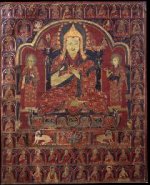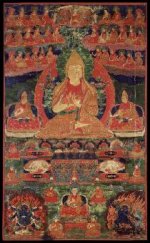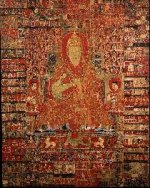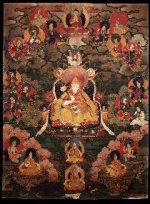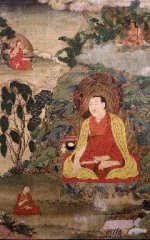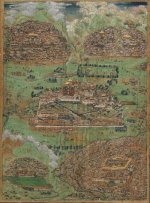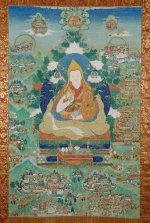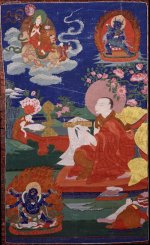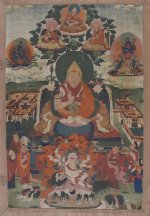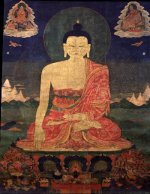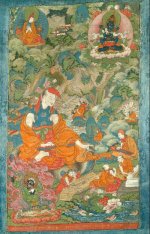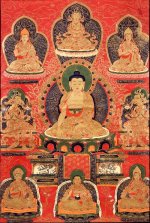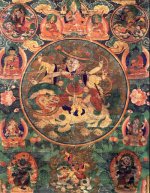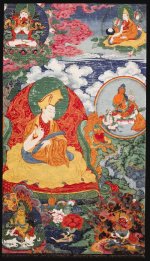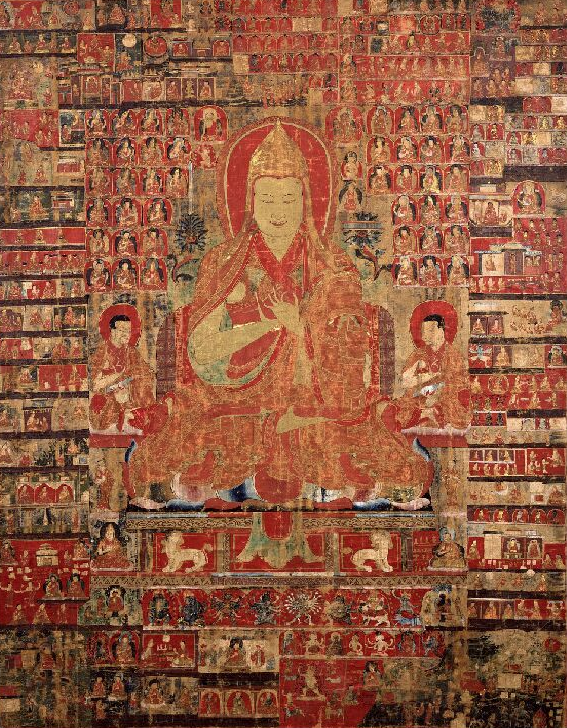
The Geluk (dge lugs) tradition follows the teachings of the fifteenth-century scholar monk Tsongkhapa Lobzang Drakpa. Like the Kadam tradition which the Geluk absorbed and supplanted, the Geluk place an emphasis on monastic discipline and scholarship, central to which is the their understanding and explication of the Mādhyamaka Prāsaṅgika philosophical position. They also maintain a strong, if somewhat less public, tradition of tantric transmission, scholarship, and practice. Followers of the Geluk tradition practice an extensive system of Lamrim and Lojong, both of which have their origins with Atisha and the Kadampa tradition. The Geluk also maintain a lineage of Mahāmudrā teachings. The primary tantric teachings studied and practiced in the Geluk are the tantric cycles of Yamāntaka, Cakrasaṃvara, and Guhyasamāja. The Kālacakra Tantra is also commonly practiced among many Geluk practitioners, as is the tantra of Vajrayoginī. The Geluk tradition became the dominant religious order in Tibet in the seventeenth century when the Fifth Dalai Lama, with the aid of the recently converted Mongols, orchestrated a defeat of the Kagyu king of Tsang and set himself up as political leader of Tibet. Since that time the Dalai Lamas' seat of government, the Ganden Podrang, has been the nominal seat of political power in Tibet, even if for most of the last four hundred years real power shifted among a number of players.